
What a home battery costs, and what moves the number
Installed home battery storage in the UK runs roughly £400 to £900 per usable kWh. Clearline's own named packages, below, sit at or under the middle of that band.
Price per usable kWh
Total price alone tells you nothing until you know how much usable capacity you are buying. Divide by the usable figure, not the number on the box, before comparing anything.
| Package | Usable capacity | Installed price | Per usable kWh | Solar required? |
|---|---|---|---|---|
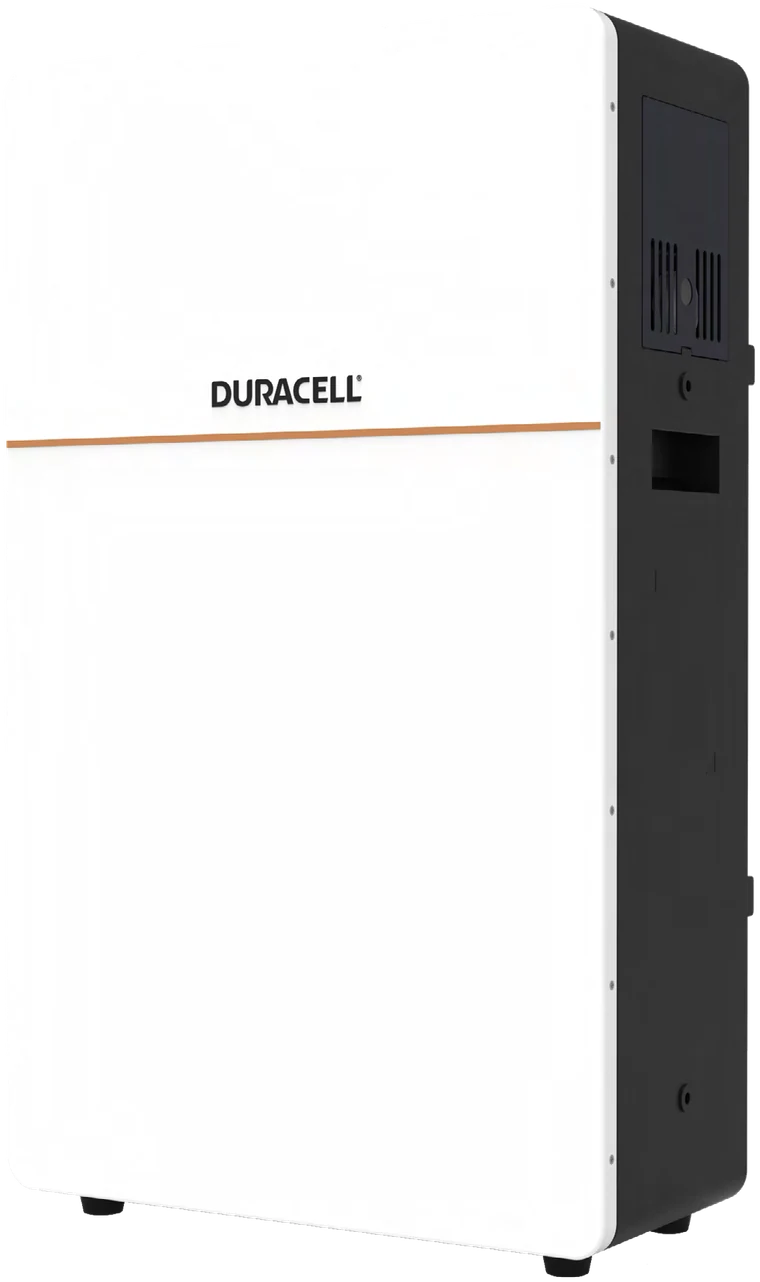
| Duracell Dura16 | 14.4 kWh | £4,450 | £309 | with solar |
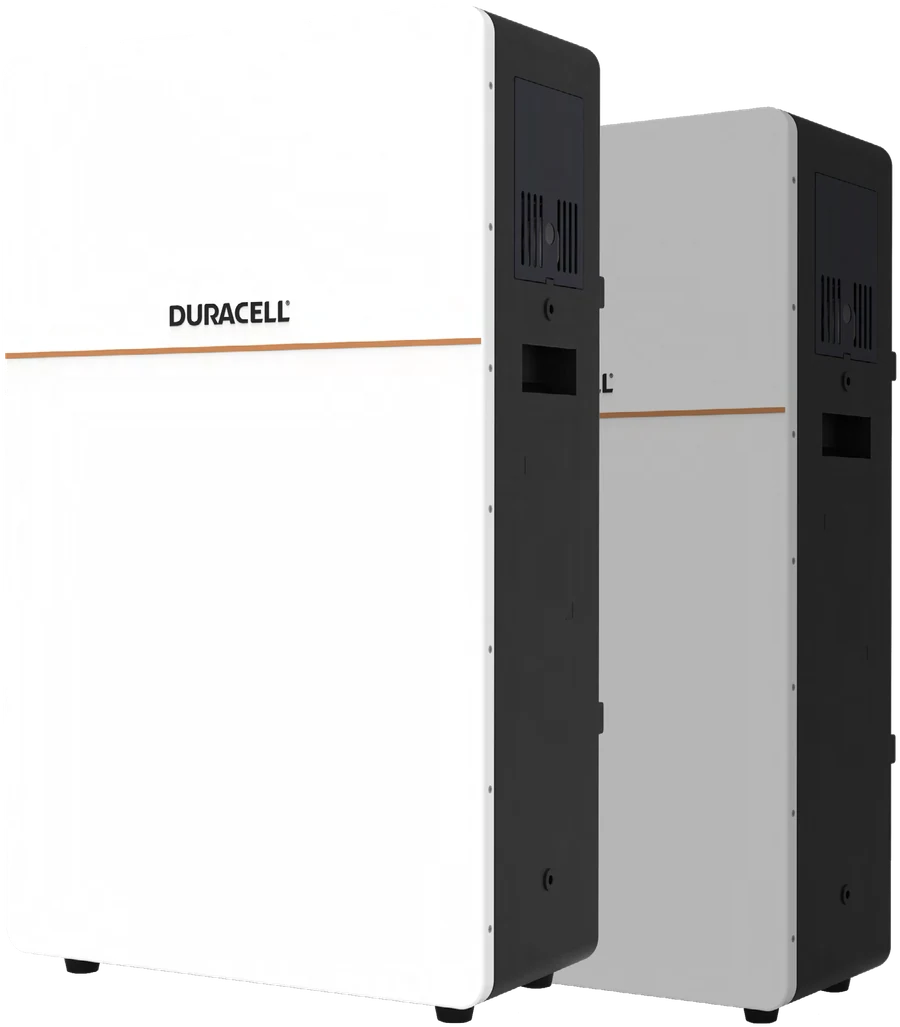
| Duracell Dura32 (two Dura16, paired) | 28.8 kWh | £8,900 | £309 | with solar |
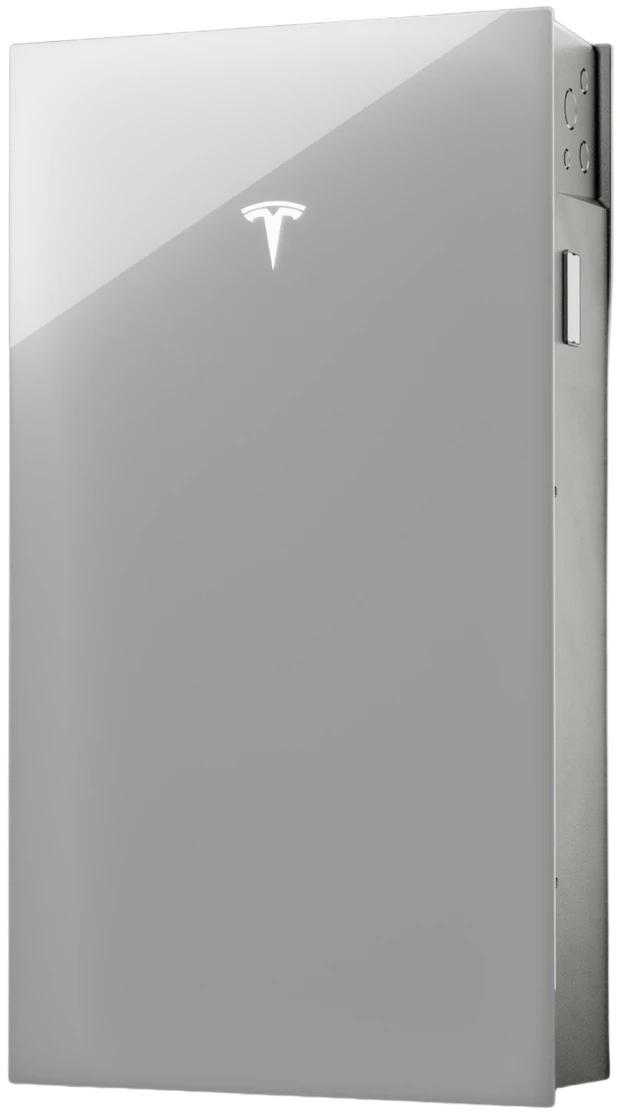
| Tesla Powerwall 3 | 13.5 kWh | from £6,350 | £470 | no solar required |
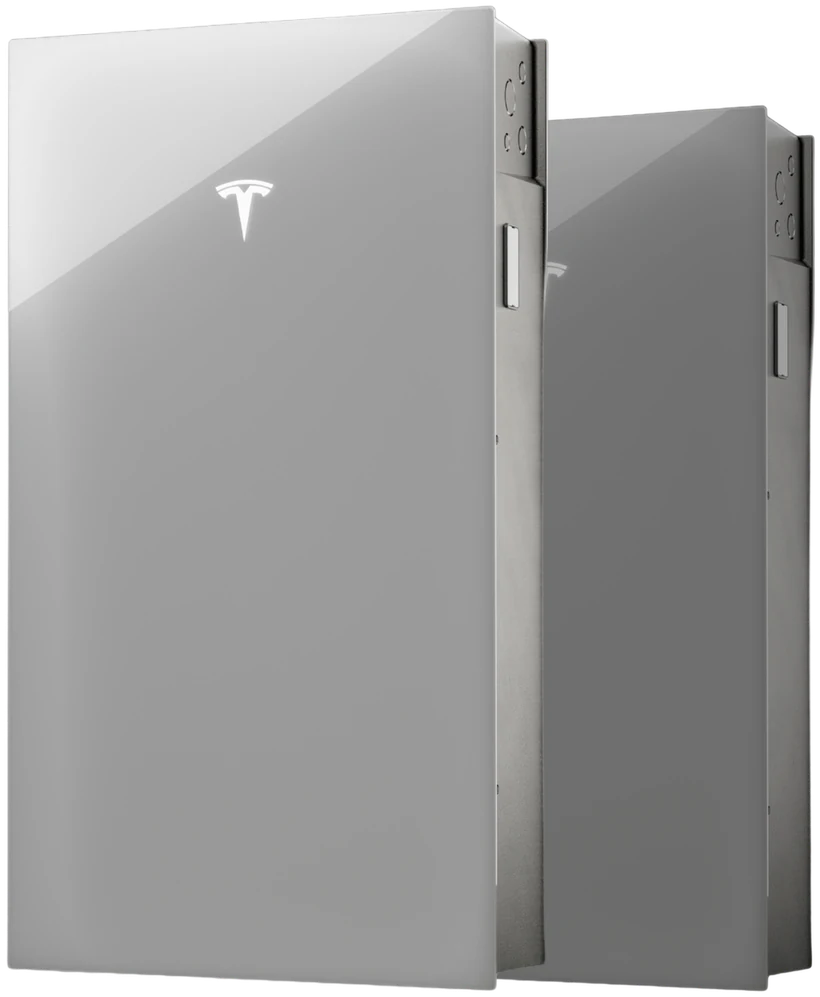
| Tesla Powerwall 3 + Expansion | 27 kWh | from £10,850 | £402 | no solar required |
Installed prices, subject to survey. The wider UK market has been quoted at roughly £400 to £900 per usable kWh installed across 2026 cost surveys; small systems sit above that band per kWh because the fixed costs below are spread over less capacity.
What is actually inside the price
Battery modules
The cells themselves, priced by usable kWh: the part most people assume is the whole cost.
Power electronics
A hybrid inverter shared with solar, or a separate battery inverter and charger where the battery is retrofitted on the AC side.
Electrical works
Consumer unit changes, isolators, cable runs, current transformer clamps and the physical mounting or plinth.
Labour and commissioning
Survey, design, the install day itself, configuration against your tariff, and MCS certification.
Only the modules scale cleanly with capacity, which is why cost per kWh falls as the battery gets bigger. Fitting a battery alongside new solar allows one hybrid inverter, cheaper and typically 6 to 8% round-trip loss; retrofitting to existing solar usually means an AC-coupled battery with its own inverter, a second box, and typically 8 to 10% round-trip loss, without needing to replace a solar inverter that still works.
| Backup tier | What you get | Effect on price |
|---|---|---|
| EPS socket | One socket wired from the inverter's emergency power terminals: phone, router, a lamp. | Smallest addition, sometimes included |
| Partial backup | A sub-board of selected critical circuits: fridge, lighting, broadband. | Additional consumer unit work and a second circuit design |
| Whole-home backup | A gateway between the meter and the consumer unit that islands the house and switches the whole installation onto battery. | The most expensive option by a clear margin |
Whether backup is worth the line item on your quote is exactly the kind of question a free design call works through against your own outage history and usage.
A battery without solar
A battery on its own charges from cheap off-peak electricity and discharges through the expensive hours; solar makes the case stronger but is not a requirement for every package.
Of Clearline's own packages, the Tesla Powerwall 3 (from £6,350) does not require solar to be installed alongside it. The Duracell Dura16 and Dura32 are priced for installation alongside solar, so a solar-free quote on those two is a separate conversation on the design call rather than the package price above.
VAT is zero rated on a standalone battery exactly as it is on one installed with solar, until 31 March 2027. Standalone systems around 5.8 kWh have been quoted from roughly £3,500 to £4,500 elsewhere in the UK market, with typical paybacks landing around 8 to 13 years against 10-year-and-up warranties, depending on how hard the battery is cycled.
Price your own battery
Pick a package and see the installed price and payback for your own usage. No email needed to see the result.

Duracell Dura16 LV
Your real roof, your real usage, on a free video call. No obligation, and no home visit needed.
The three packages, installed
Every installation is carried out by teams holding:






Battery cost questions, answered
How much does a home battery cost in the UK?
Clearline's own installed packages run £309 to £470 per usable kWh: Duracell Dura16 £4,450, Dura32 £8,900 (both with solar), Tesla Powerwall 3 from £6,350, with Expansion from £10,850. The wider UK market runs roughly £400 to £900 per usable kWh installed, so these sit at or below the middle of that band.
Is there VAT on home batteries?
Not until 31 March 2027. Battery storage is zero rated for VAT, and since 1 February 2024 that covers standalone batteries with no solar and retrofit batteries added to existing solar, not only new solar-and-battery installations together. The rate reverts to 5% from 1 April 2027.
Why does a small battery cost more per kWh than a big one?
Because only the battery modules scale with capacity: the inverter, the electrical work, the survey, the install day and the paperwork are broadly fixed whatever size goes in. A Tesla Powerwall 3 Expansion unit, adding 13.5 kWh behind an existing Powerwall, has been quoted around £4,700 installed, near £350 per kWh, against £470 per kWh for a first Powerwall 3 that also pays for the inverter and gateway.
Can I get a battery without solar panels?
Yes. The Tesla Powerwall 3 (from £6,350) does not require solar to be installed alongside it. The Duracell packages are priced for installation alongside solar, so a solar-free quote on those two runs to a separate, unpackaged price on the design call. Standalone batteries elsewhere in the UK market have been quoted from around £3,500 for roughly 5.8 kWh, and VAT is zero rated on them too.
What can a battery actually save each year?
The spread between our off-peak rate and the price cap is what a battery arbitrages: charging at 8p per kWh off-peak and displacing the capped import rate gives around 17.4p per stored unit before losses. A battery cycled hard, most days of the year, can be worth several hundred pounds annually; one cycled rarely is worth much less. The battery storage calculator below runs it for your own numbers.
Get your free quote
Takes about two minutes. We work out your options, then confirm your free remote design call, on video, at a time that suits you. It starts with your roof and your numbers, and the design is built around them rather than around a product someone needs to shift.