
Solar panels, sized to your roof and the way you live.
Panels generate most in the middle of the day. The design question is what your home does with that energy: use it, store it, or export it at the best rate you can get. We help you answer that before anyone quotes you.
Yes, solar works in Britain
Panels run on daylight, not heat. Generation is highest from spring to autumn and lower in winter, which is exactly why the design has to match your usage rather than chase a biggest-possible number.
A good remote design looks at your roof orientation, pitch and shading on screen, then sizes the array around how much of that generation your home can actually use or store. Bigger is not automatically better; better-matched is better.
Two things do most of the work in the sums: how much of your own solar you use rather than buy, and the rate you are paid for what you export. Both depend on decisions you make before installation, which is what the free design call is for.

Solar in the British climate, on camera

Three questions that decide your design
When is anyone home?
A house that is empty all day exports most of its solar, so the export rate matters enormously. A daytime-busy home uses more of its own generation directly.
Battery or no battery?
A battery moves your solar from midday, when it is made, to the evening, when you use it. Some suppliers also reserve their strongest export rates for solar-plus-battery homes. The battery guide covers it properly.
Which export tariff?
Export rates checked in August 2026 ranged from a standard Smart Export Guarantee at a few pence to supplier-exclusive rates several times higher with conditions attached. The tariff guide compares them.


Tidy racking, clean lines, certified work: what your design call sets up.
The LONGi Hi-MO X10, 530W a panel
Dual glass, 23.5 per cent at standard test conditions, and a 30-year performance warranty. Ten of them is 5.30 kWp at £1,000 per kWp installed. The design call works out how many earn their place on your roof.

Full specification and calculator →


Every installation is carried out by teams holding:




What would an array do for your bills?
Start with panels only, then add storage and watch what changes. Nothing is sent anywhere and no email is needed to see the result.
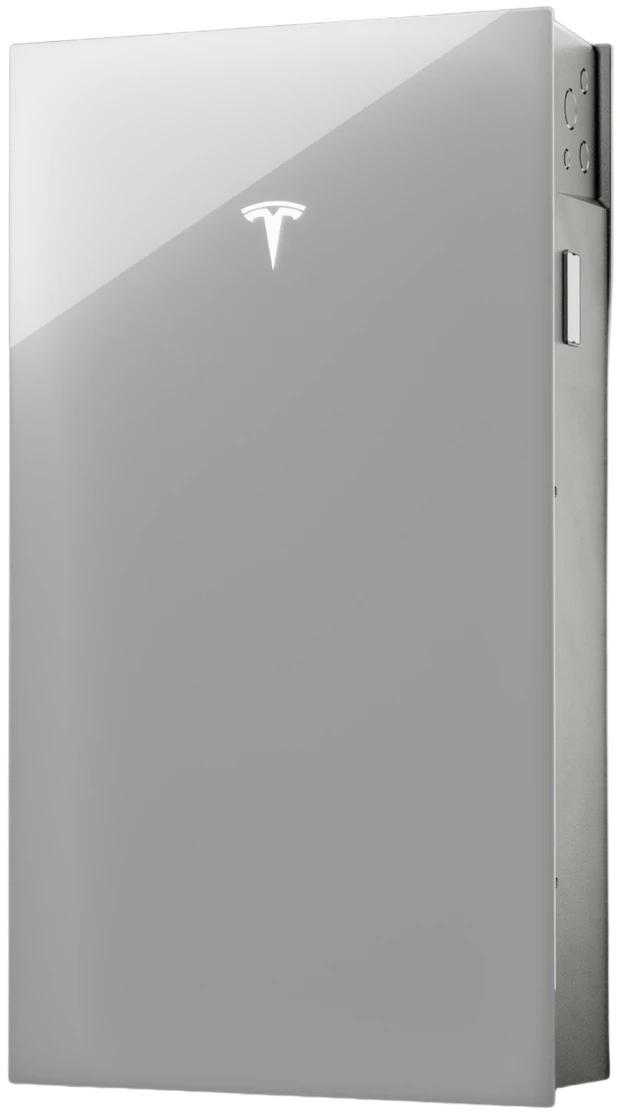
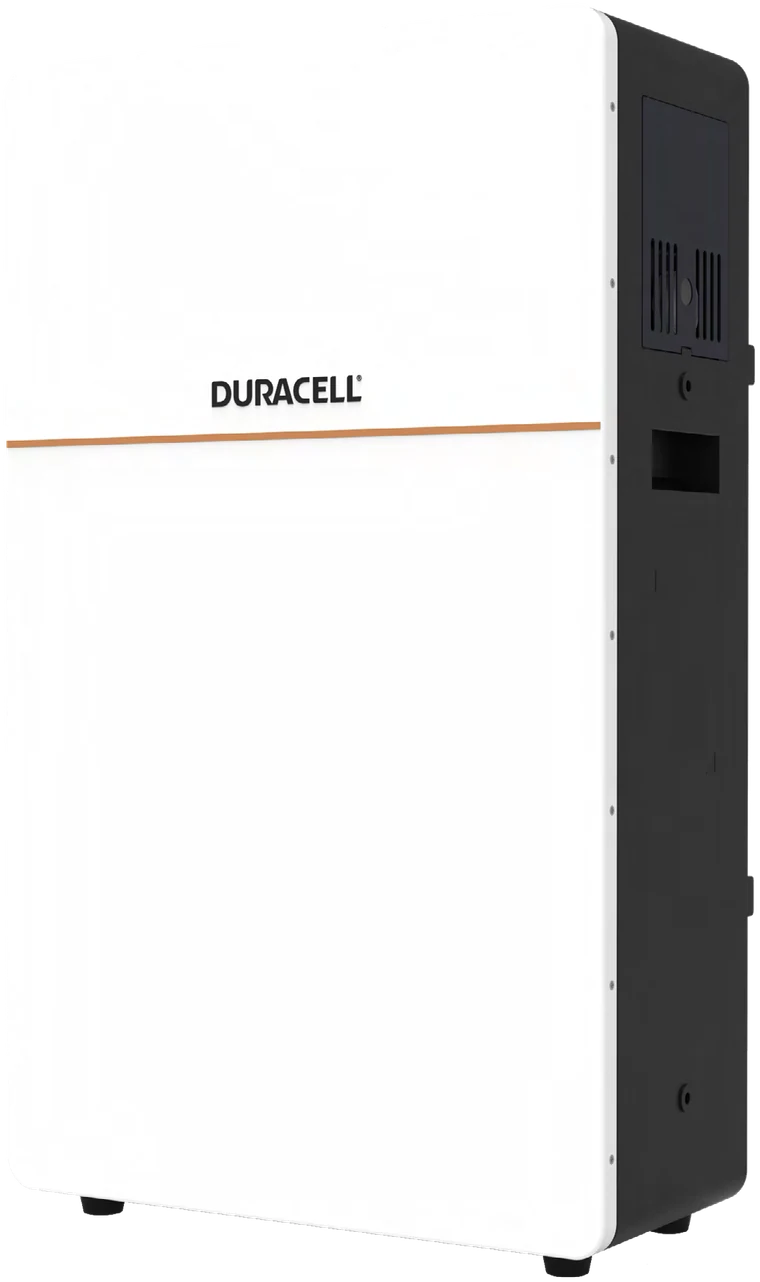
LONGi Hi-MO X10 530 W
Your real roof, your real usage, on a free video call. No obligation, and no home visit needed.
See a number before you speak to anyone
Answer a few questions about your roof and usage and see an instant solar and battery estimate. No email needed to see the result.
Guides on this topic
Sourced, dated, and written to be read before anyone quotes you.
Are solar panels worth it in 2026? Here is the actual maths
Roughly £1,000 per kWp installed, offsetting electricity at 26.32p a unit. The real arithmetic.
Read the guide →Best solar panels UK 2026: what the datasheets actually say
One pick per job, the specs behind each, and what moves payback more than the badge.
Read the guide →DNO application timescales, network by network: from a G98 notification to a G99 approval
Fit and notify within 28 days, or wait ten working days to 45 for a yes. System size decides which.
Read the guide →Do solar panels increase home value? What the actual data shows
The largest UK study found a 6.1% to 7.1% sale price premium. Here is the full picture.
Read the guide →Do solar panels need direct sunlight? Not really, and here is why
No. Solar cells respond to light hitting them, not to a clear line of sight to the sun.
Read the guide →Do solar panels work in winter? Yes, just less than summer
Panels run on light, not sunshine. Cloud turns them down, not off. What that means for an awkward roof.
Read the guide →Solar PV questions, answered
Does my roof need to face south?
South is best, but east and west roofs work well, spreading generation across morning and evening when you are more likely to be home to use it. A remote design looks at your actual roof rather than a rule of thumb.
Do solar panels need planning permission?
Usually not: most domestic rooftop solar in Great Britain is permitted development. Listed buildings and some conservation areas are the main exceptions, and this is confirmed at the home survey before anything is booked.
Is there VAT on solar panels?
Domestic solar installations in Great Britain currently attract 0% VAT, a relief in place until 31 March 2027. Your written quote shows exactly what you pay.
What about MCS certification?
MCS is the certification scheme most export tariffs require your installation to hold. Every installation is delivered by MCS-certified teams, so the certificate you need arrives as part of the job.
Get your free quote
Takes about two minutes. We work out your options, then confirm your free remote design call, on video, at a time that suits you. It starts with your roof and your numbers, and the design is built around them rather than around a product someone needs to shift.