
The battery is the decision that changes all the others.
A battery lets your home buy electricity when it is cheap, store it, and use it when prices peak. Pair it with solar and the right tariff and it becomes the hinge the whole system turns on.
What a home battery costs
Installed prices as checked in August 2026: roughly £1,650 to £2,850 installed for the smaller unbranded capacities, and the named packages below from £4,450. The county calculators price every size against your local generation, and each product page has a calculator that starts from what you actually spend a month.
Named kit, named prices
Two manufacturers, four packages. Every price is installed and subject to survey, and each page carries the full datasheet plus a calculator you can use without giving us anything.

Dura16
14.4 kWh usable · Duracell Energy
£4,450when installed with solar See the numbers →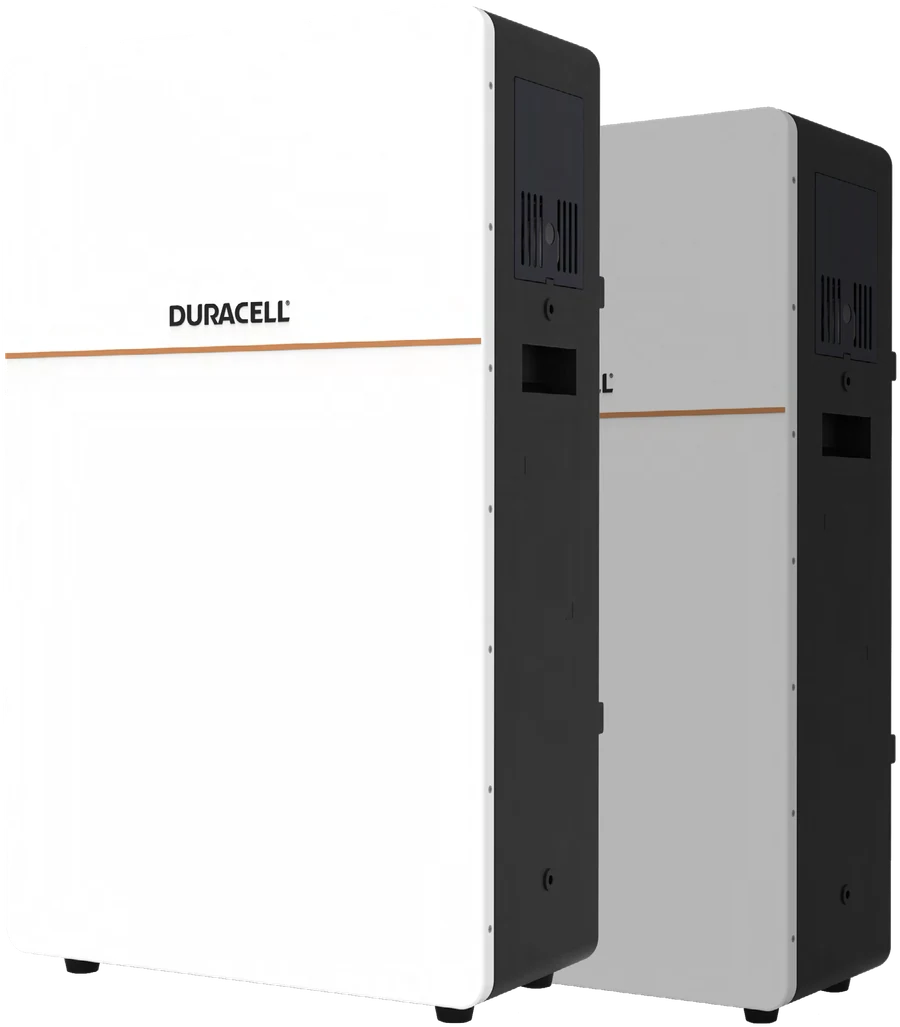
32 kWh Duracell
28.8 kWh usable · Duracell Energy
£8,900when installed with solar See the numbers →
Powerwall 3
13.5 kWh usable · Tesla
from £6,350installed, subject to survey See the numbers →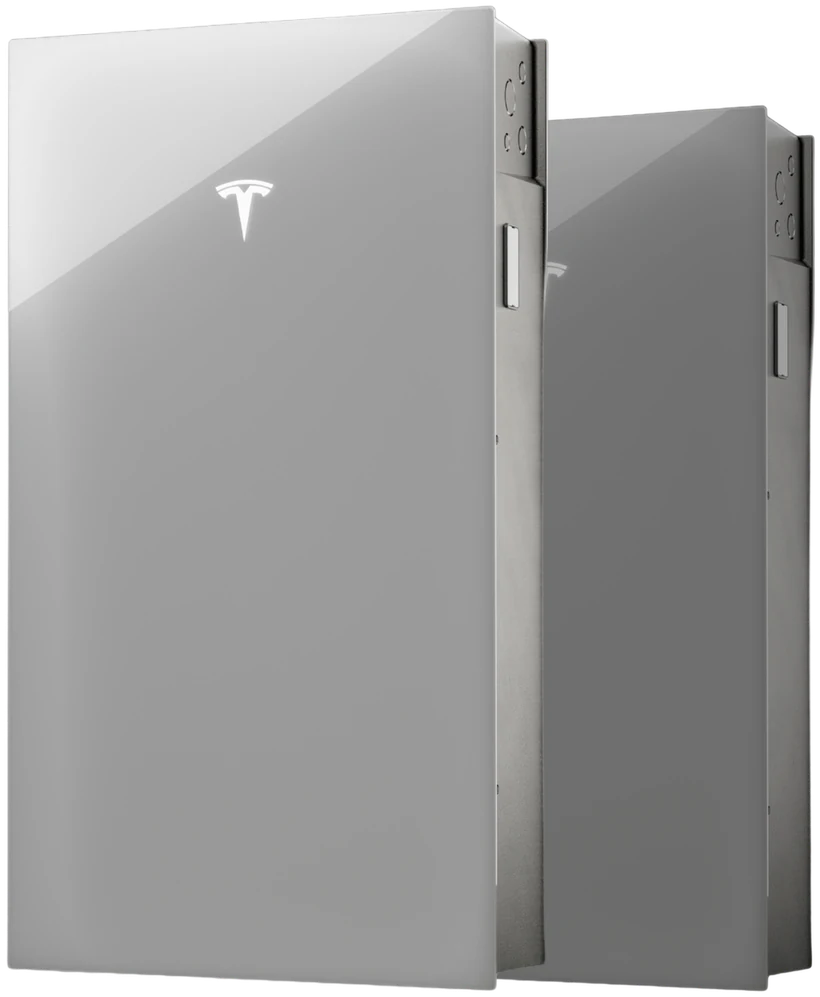
27 kWh Powerwall 3
27 kWh usable · Tesla
from £10,850installed, subject to survey See the numbers →Solar is priced separately at £1,000 per kWp installed, using the 530W LONGi Hi-MO X10. All prices installed and subject to survey.
The three packages, installed
Every installation is carried out by teams holding:






What would storage do for your bills?
Pick a battery, tell us where solar fits in, and see the numbers for your own area. Nothing is sent anywhere and no email is needed to see the result.

Duracell Dura16 LV
Your real roof, your real usage, on a free video call. No obligation, and no home visit needed.


Three jobs, one box
A home battery does three things, and the best designs use all three.
It stores your solar. Generation peaks at midday; usage peaks in the evening. The battery moves your own energy across that gap instead of selling it cheap and buying it back dear.
It buys off-peak. Smart tariffs offer cheap overnight windows. The battery fills up at the low rate and runs your home through the expensive hours.
It can unlock better export rates. Checked in August 2026, some suppliers reserved their strongest export rates for homes where solar and a battery are installed together; the tariff guide names them and the conditions.

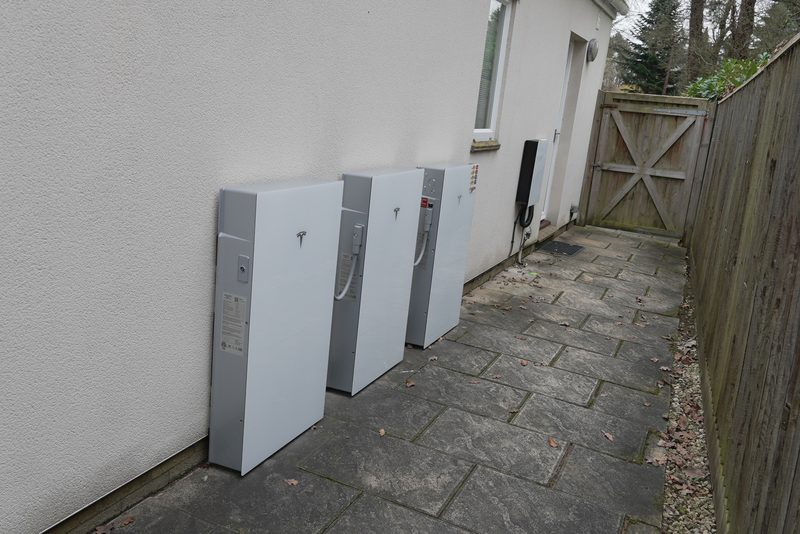
Size the battery to your evenings,
not to the biggest box on the shelf
The right capacity comes from how much electricity your home uses between sunset and sunrise, not from the roof. Oversizing wastes money on capacity you never cycle; undersizing leaves you buying peak-rate power with a battery on the wall. On your free design call we work this out from your actual usage.
What a battery design draws on
Two named batteries, both installed by an MCS-certified installation team for your area. The Powerwall 3 has its inverter built in; the Dura16 pairs with a hybrid inverter sized on your design call.
See a number before you speak to anyone
Answer a few questions about your roof and usage and see an instant solar and battery estimate. No email needed to see the result.
Guides on this topic
Sourced, dated, and written to be read before anyone quotes you.
Adding a battery to solar panels you already own
Retrofitting a battery to working solar is straightforward. The paperwork is where people trip up.
Read the guide →GivEnergy in administration: what owners should do now
The sourced timeline, the warranty position, and the owner's checklist for this month.
Read the guide →Inside a home battery: capacity, power and losses
Usable capacity, kW output, round trip losses and chemistry, in plain terms.
Read the guide →Does a standalone battery actually pay back?
No panels means one job: buy cheap, use later. The tariff decides whether it pays.
Read the guide →How much a battery saves by charging on cheap night rates
What charging at 8p and using at 26.11p is actually worth over a year.
Read the guide →Sigenergy SigenStor review: the 5-in-1 tower examined
The 5-in-1 tower reviewed by a site that does not sell it, warranty arithmetic included.
Read the guide →Battery Storage questions, answered
Do I need solar panels to benefit from a battery?
No. A battery on its own can charge from cheap off-peak electricity and run your home through peak hours. Solar makes the case stronger, but tariff-only batteries are a real and growing setup.
Will a battery power my home in a power cut?
Only if it is specified with backup capability, which not all systems include as standard. If that matters to you, say so on the design call and the design will account for it.
How long do home batteries last?
Manufacturers typically warrant home batteries for around ten years or a stated number of charge cycles, whichever comes first. Your written quote sets out the exact warranty for the hardware they propose.
Can I add a battery to existing solar panels?
Usually yes, either AC-coupled alongside your existing inverter or as part of a wider upgrade. It is one of the most common jobs we are asked about, and the design call establishes which route fits your system.
Get your free quote
Takes about two minutes. We work out your options, then confirm your free remote design call, on video, at a time that suits you. It starts with your roof and your numbers, and the design is built around them rather than around a product someone needs to shift.