
Home › Guides › Inside a home battery: capacity, power and losses
BatteriesInside a home battery: capacity, power and losses
A home battery does one job: it lets you use electricity at a different time from when you bought it or generated it. Every spec on the datasheet follows from that.
Updated 4 August 2026 · written by the Clearline guidance team

On this page
What the box is for, in one paragraph
Electricity is cheap at some hours and expensive at others, and solar generates in the middle of the day when most households are out. A battery closes that gap. It stores energy when it is cheap or free, then releases it when the alternative would be buying at the full rate. That is the whole proposition, and every number on a spec sheet exists to describe how well a given box does it.
Two things fill a battery. Surplus generation from solar panels that would otherwise be exported, and grid electricity bought during an off peak window on a time of use tariff. Most systems do both, and the control software picks whichever is cheaper on the day.
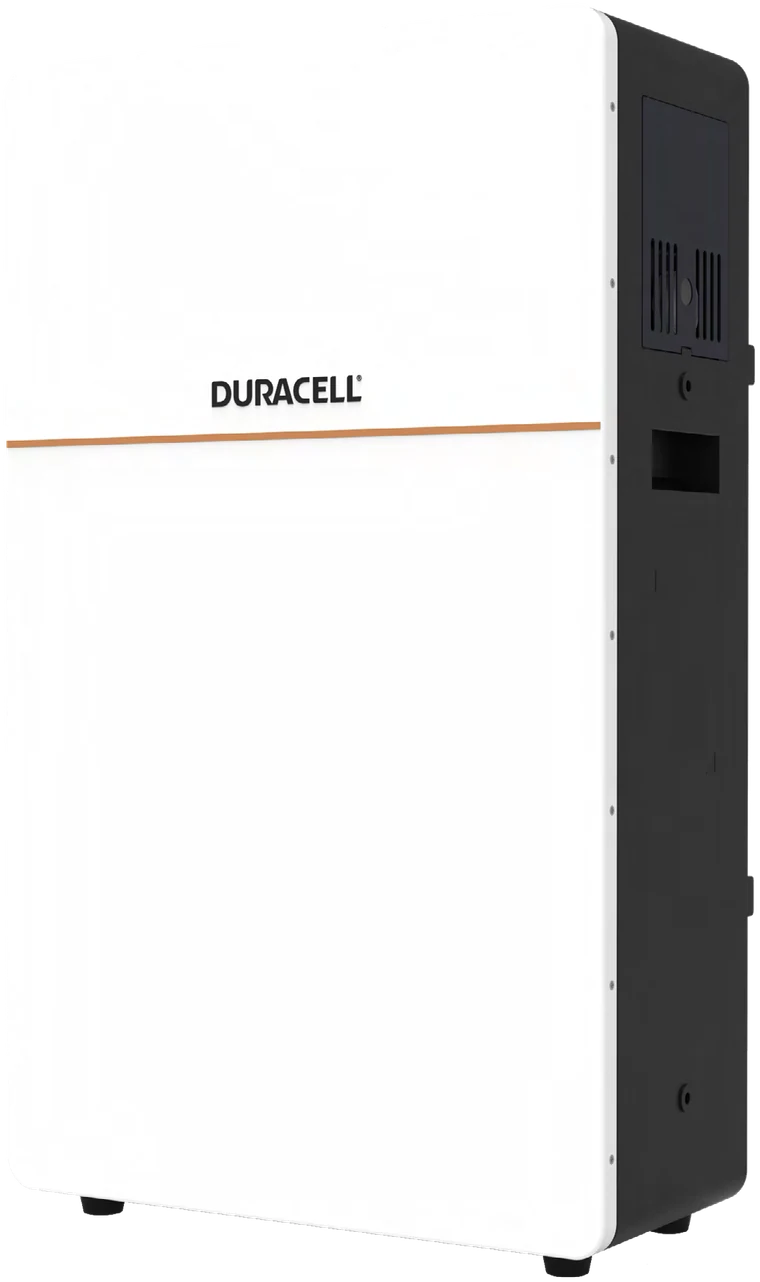
- Cell technology
- LiFePO4 (lithium iron phosphate)
- Usable energy
- 14.4 kWh
- Max power
- 6.6 kW
What happens across a normal day
Overnight, the cheap window
On a time of use tariff the system charges from the grid during the off peak hours. On Intelligent Octopus Go the guaranteed cheap window runs roughly 23:30 to 05:30 and applies to the whole home, including the battery.
Morning, first draw
The house wakes up before the sun does much. Kettle, shower pump, heating controls. The battery covers that load instead of you buying at the capped daytime rate of 26.11p per kWh.
Midday, solar surplus
Generation exceeds what the house is using. The surplus tops the battery back up. Once the battery is full, the rest goes out to the grid for whatever your export tariff pays.
Evening, the expensive hours
Cooking, lighting, television, EV charging if it is not scheduled. This is the block the battery exists to cover, and it is the most valuable energy it will discharge all day.

Usable capacity is not the same as headline capacity
Manufacturers quote two numbers and homeowners often only see one. Nominal capacity is the total energy in the cells. Usable capacity is what the battery management system will actually let you take out, because running lithium cells fully flat shortens their life. The gap is set by the permitted depth of discharge.
- Sigenergy SigenStor modules are sold as 6.0 kWh and 10.0 kWh, with 5.84 kWh and 8.76 kWh usable respectively.
- Fox ESS EQ modules run to a 90% depth of discharge, so roughly a tenth of the headline figure is held back.
- Sunsynk quotes its 5.32 kWh module as capable of 100% depth of discharge, with 80% recommended for longevity.
- Tesla quotes the Powerwall 3 as 13.5 kWh usable, which is the number that matters.
Compare usable to usable
When two quotes look close on price, check whether both are quoting usable capacity. A 10 kWh nominal battery at 90% depth of discharge is a 9 kWh battery in practice, and against a competitor quoting 9 kWh usable it is the same product at a different headline.
Power output decides what you can run at once
Capacity in kWh tells you how long the battery lasts. Power in kW tells you how much it can deliver at any single moment. A battery with plenty of stored energy but a modest output rating will still trip if you ask it to run several heavy appliances simultaneously, which matters most if you are also buying backup.
| Battery | Usable capacity | Continuous output |
|---|---|---|
| Tesla Powerwall 3 | 13.5 kWh | Up to 11.04 kW on the UK 230V single phase grid |
| Sigenergy SigenStor | 5.84 kWh or 8.76 kWh per module, 1 to 6 modules per controller | Inverter rated 3.6 kW to 12 kW single phase |
| Enphase IQ Battery 5P | 5 kWh | Around 3.84 kW on the UK specification |
| Sunsynk 5.32 kWh module | 5.32 kWh, stackable to 85.12 kWh | Set by the paired ECCO inverter at 3.6 kW or 5 kW |
| Fox ESS EQ4800 | 4.66 kWh per module, 9.32 to 41.94 kWh per stack | Set by the paired Fox hybrid or AC inverter |
Manufacturer datasheet figures checked 3 August 2026. Clearline does not supply, install or represent any of these products. Installations are carried out by an MCS-certified installation team for your area.
Round trip efficiency, and where the losses go
Nothing stores electricity for free. Energy is lost converting from AC to DC on the way in, again from DC to AC on the way out, and a little to the battery management electronics that keep the cells balanced and at temperature. Round trip efficiency is what survives that journey.
The scale of the loss depends on how the battery is wired. A grid charge and discharge cycle on an AC coupled battery loses roughly 8 to 10% round trip. A DC coupled battery sharing a hybrid inverter with the array loses roughly 6 to 8%, because there are fewer conversions in the chain. Our guide to AC and DC coupling covers when each one wins.
Losses are a rounding error next to the spread
Buying at 8p and displacing electricity that would have cost 26.11p leaves roughly 18.1p of value per stored unit before losses, and around 17p after them. Losing a tenth of a cheap unit matters far less than the price difference you captured by storing it.
Chemistry, and why LFP took over
Most current UK home batteries use lithium iron phosphate cells, usually written as LFP. Tesla moved the Powerwall 3 to LFP after using a nickel manganese cobalt chemistry in the Powerwall 2. Sigenergy and Sunsynk both use LFP modules. The practical differences a homeowner notices are cycle life and thermal behaviour rather than anything visible day to day.
Cycle ratings reflect that. Sigenergy rates the SigenStor at 10,000 cycles at a full 100% depth of discharge, and Sunsynk quotes up to 6,000 cycles on its 5.32 kWh module. At one full cycle a day, 6,000 cycles is more than sixteen years of use, which is why the time limit in a warranty usually bites before the cycle limit does. Our guide to battery warranties unpicks that in detail.
Book a free remote design call and we will size a battery against your actual half hourly usage, not an average household.
Get your free quote →What a battery will not do on its own
- It will not keep the lights on in a power cut unless you also buy backup hardware. Grid tied systems disconnect automatically when the grid fails, and getting round that needs a gateway or an emergency power supply circuit.
- It will not cut your standing charge. That is 57.19p a day on the July to September 2026 price cap regardless of how much energy you buy.
- It will not earn on a time of use tariff without a smart meter, because those tariffs cannot be applied without half hourly metering.
- It will not pay for capacity it never cycles. A battery too big to fill and empty most days is money sitting still.
If you want the local picture, every county page in our coverage area carries a calculator built on the same dispatch model our guidance uses, and the battery storage guide covers the product side in more depth. Tariff mechanics sit in the tariffs guide.
Clearline gives independent guidance and a free remote design call. Installations are carried out by an MCS-certified installation team for your area.
How batteries work, answered
Does a home battery work without solar panels?
Yes. A battery with no panels earns from the gap between an off peak import rate and the peak rate you would otherwise pay, which currently runs at roughly 17p per stored unit after losses. It is a weaker case than solar plus battery because there is no free generation in the mix, but it works, and it is often the right answer for shaded roofs, flats and listed buildings.
How long does a home battery last?
The hardware is generally warranted for 10 to 15 years depending on brand, with cycle limits that rarely bite first. At one full cycle a day a 6,000 cycle rating is over sixteen years of use. What degrades is capacity rather than function, which is why warranties promise a retained percentage of the original usable capacity at the end of the term.
What is depth of discharge?
It is how much of the battery the management system will let you actually use. A 90% depth of discharge on a 10 kWh battery means 9 kWh is available and the last 1 kWh is held in reserve to protect cell life. Always compare quotes on usable capacity rather than nominal capacity.
Do I need a smart meter for a home battery?
You need one to access the time of use tariffs that make off peak charging worthwhile, because those tariffs are billed on half hourly readings. The battery itself will still store surplus solar without a smart meter, but you would be giving up the cheaper half of the economics.
Can a battery charge and discharge at the same time?
Not usefully. The system charges when there is surplus generation or a cheap import window, and discharges when the house is drawing more than the panels are producing. The control software switches between those states continuously, which is why a well set up battery looks like it is doing both across an hour.
Is a bigger battery always better?
No. Capacity you cannot fill and empty most days earns nothing and extends your payback. The sensible size is the one that covers the part of your day solar cannot reach, plus whatever load you can shift into an off peak window.
See the numbers next: Duracell Dura16, installed, or what a battery costs.
Figures and specifications in this guide are sourced below and were checked on the date shown. Rates and product specifications change; we confirm the current picture on your free design call.
Sources
- Tesla Powerwall 3 UK datasheet: 13.5 kWh usable, 11.04 kW continuous output, LFP chemistry tlgec.co.uk
- Tesla Powerwall 3 solar to home efficiency and chemistry change from the Powerwall 2 greenreachenergy.co.uk
- Sigenergy SigenStor module capacities, usable figures and single phase inverter ratings myenergy.expert
- Sigenergy SigenStor cycle rating at 100% depth of discharge and system efficiency heatable.co.uk
- Fox ESS EQ battery range: module capacities, 90% depth of discharge, stack sizes fox-ess.uk
- Sunsynk 5.32 kWh LFP module, depth of discharge, cycle life and ECCO hybrid inverter ratings powerland.co.uk
- Enphase IQ Battery 5P: 5 kWh usable, output rating and round trip efficiency ohmsnap.com
- AC coupled versus DC coupled round trip efficiency comparison greenreachenergy.co.uk
- Ofgem price cap 1 July to 30 September 2026: 26.11p per kWh unit rate, 57.19p per day standing charge ofgem.gov.uk
- Intelligent Octopus Go off peak rate from 8p per kWh and the guaranteed overnight window octopus.energy
- Smart meter requirement for time of use tariffs haboenergy.co.uk
Read next
Battery warranties and what retained capacity really means
Years, retained capacity and a usage limit. Three promises, and the third is the one people miss.
Read the guide →Choosing a tariff when you have solar, a battery and an EV
Solar, battery and EV want different tariffs. How to work out which one to protect.
Read the guide →