
Home › Guides › GivEnergy in administration: what owners should do now
BatteriesGivEnergy in administration: what owners should do now
GivEnergy Ltd entered administration on 9 April 2026 and ceased trading. If one of its batteries or inverters is on your wall, nothing has switched off and nothing is about to. The hardware runs locally and keeps doing its job. What has changed is everything behind the hardware: the 12 year warranty is now a claim against a company that owes its unsecured creditors more than £17,000,000, the cloud platform runs on arrangements that were still unconfirmed in late August 2026, and the support desk is gone. This guide separates what is confirmed from what is not, and turns it into a short list of actions for this month.
Updated 27 August 2026 · written by the Clearline guidance team

For much of the early 2020s GivEnergy was one of the best known names in UK home batteries: British headquartered, keenly priced, and fitted in large numbers. On 9 April 2026 GivEnergy Ltd entered administration and ceased trading. If its kit is on your wall, nothing has switched off and nothing is about to, but the promises behind the hardware have changed shape. This guide sets out what is confirmed, what remains uncertain as of 27 August 2026, and the practical steps worth taking this month.
The timeline, as it stands
Everything below traces to the sources listed at the foot of this page. Where something is not yet known, we say so rather than filling the gap.
| Date | What happened |
|---|---|
| 9 April 2026 | GivEnergy Ltd entered administration and ceased trading. Chris Brooksbank of CB Business Recovery was appointed administrator and all staff were made redundant. |
| 13 April 2026 | The administrator's statement was published, alongside owner guidance from the UK Energy Storage Association: hardware warranties will not be honoured by GivEnergy Ltd, the app and portal are run by a separate software company that is not in administration, and owners should speak to their installation team first. |
| Early May 2026 | The cloud portal and app remained operational, run by that separate software entity outside the administration. |
| Late May 2026 | The administrator's Statement of Proposals was reported as filed. No buyer for the business had been confirmed at that filing, remaining stock was reported as written down to about £115,000, and unsecured creditors were owed more than £17,000,000. |
| 27 August 2026 | As of this date, no sale of the business or of the customer book has been announced. |
The administration is ongoing. Dates and figures are as reported by the sources below, read 27 August 2026.
This is the brand specific companion to our general guide on what happens when a battery manufacturer goes bust, which covers the legal machinery, the three layers of cover and the pattern across other failures. This page sticks to the GivEnergy specifics.
What administration means for the warranty
GivEnergy introduced a 12 year warranty across its battery and inverter range from 11 September 2023, offered subject to installation and servicing conditions, and earlier systems carried whatever term is printed on their paperwork. Your own warranty document governs, but every version of it was a promise from GivEnergy Ltd, and GivEnergy Ltd has ceased trading. As a manufacturer promise, the warranty is now effectively void. Pressing the claim anyway makes you an unsecured creditor of a company that already owed its unsecured creditors more than £17,000,000 when the administrator reported, which in practice means pence in the pound at best, years from now.
The warranty was one layer, not the whole roof
A battery installation carries up to three layers of cover: the manufacturer warranty, the installation team's workmanship guarantee, and an insurance backed guarantee if one was issued. Administration removes the first layer only. The other two never depended on GivEnergy trading, and finding out which of them you hold is the single most useful thing you can do this month.
- Installation team workmanship cover. If the firm that fitted your system is still trading, its workmanship guarantee stands, and installation faults such as wiring, mounting and configuration were always its responsibility rather than the manufacturer's.
- An insurance backed guarantee. An IBG is underwritten by an insurer, not the manufacturer, so it survives GivEnergy's failure entirely. Whether one exists for your installation depends on your installation team and consumer code at the time; our IBG guide explains what these policies do and do not cover.
- HIES or RECC membership. If your installation team belonged to one of the consumer codes, its dispute and guarantee arrangements sit alongside the above and are unaffected by the administration.
- Section 75. If any part of the purchase went on a credit card, the card provider shares liability under Section 75 of the Consumer Credit Act 1974. Worth checking before you assume you have no route at all.
If the cloud platform goes, the kit keeps working
The reassuring part is genuinely reassuring. The hardware is self contained: it keeps charging from solar, keeps discharging into the house, and keeps running its stored schedules, none of which requires the manufacturer to exist. The risk from the administration sits with future warranty claims, cloud features and firmware updates, not with basic operation. Your battery did not become a brick in April, and it will not become one if the app disappears.

The cloud position is better than many owners feared, with a caveat. The portal and app were still running when we checked on 27 August 2026, because the monitoring platform is operated by a separate software entity that is not in administration. How that platform is funded long term was not public at that date. Remote control, third party integrations and detailed history all live on it, so its future matters to anyone using those features.
Unconfirmed as of 27 August 2026
Three things were not confirmed at the date this page was written: whether the business or its customer book will be sold, how long the cloud platform's current arrangement will run, and whether firmware updates will continue. We are not going to guess at any of them. The owner actions below make sense under every version of how those three resolve.
What owners should do this month
Download your records while access is easy
Save the MCS certificate, the commissioning record, the warranty document, proof of payment and the serial numbers of every unit. Then export your generation and usage history from the portal. All of it is retrievable today at no cost; some of it may not be if the platform changes hands or terms.
Establish who installed it, and whether they are trading
Your installation team is now your first line for faults, and their workmanship guarantee is one of your two surviving layers of cover. If they have also gone, an independent MCS certified firm can service and repair the system; the hardware is not sealed to the manufacturer.
Find the guarantee paperwork behind your installation team
Look for an insurance backed guarantee certificate and for HIES or RECC membership at the time of installation. These are the documents that turn this from an anxious situation into a covered one, and plenty of owners hold them without knowing.
Get a manufacturer independent view of the numbers
Your smart meter and in-home display show import and export regardless of what happens to the GivEnergy app. If your tariff depends on scheduled off peak charging, confirm the schedule is held in the unit and behaving, so a cloud change cannot quietly cost you money.

The discounted stock question
The administrator's filings, as reported, put GivEnergy's remaining stock at a written down value of about £115,000, and distributor shelves held more. That kit will keep surfacing at prices that look tempting, and for a self install tinkerer who prices it at scrap and expects nothing, that is their business. For a homeowner buying a ten year asset, the arithmetic is different: a new unit bought today carries no manufacturer warranty at all, an uncertain firmware future, and a support ecosystem running on goodwill. We do not recommend buying it at any discount a retailer is actually offering.
What this changes about choosing a battery
GivEnergy is the clearest UK demonstration yet that a battery warranty is only worth the company behind it. A 12 year warranty across battery and inverter was, on paper, one of the stronger terms on the market. It was void within three years of being introduced. That is why manufacturer covenant, meaning the scale and financial strength of the company writing the warranty, now features in every battery recommendation we make, alongside the terms themselves, which our warranty guide unpacks line by line.
It is also why our current battery shortlist leans the way it does. The Tesla Powerwall 3, from £6,350 installed for 13.5 kWh usable, is backed by one of the largest energy hardware companies in the world. The Duracell Dura16, at £4,450 installed when fitted alongside solar for 14.4 kWh usable, pairs its brand licence with an established manufacturing operation. Neither is immune to corporate history, nothing is, but the covenant test is now part of the specification, not an afterthought.
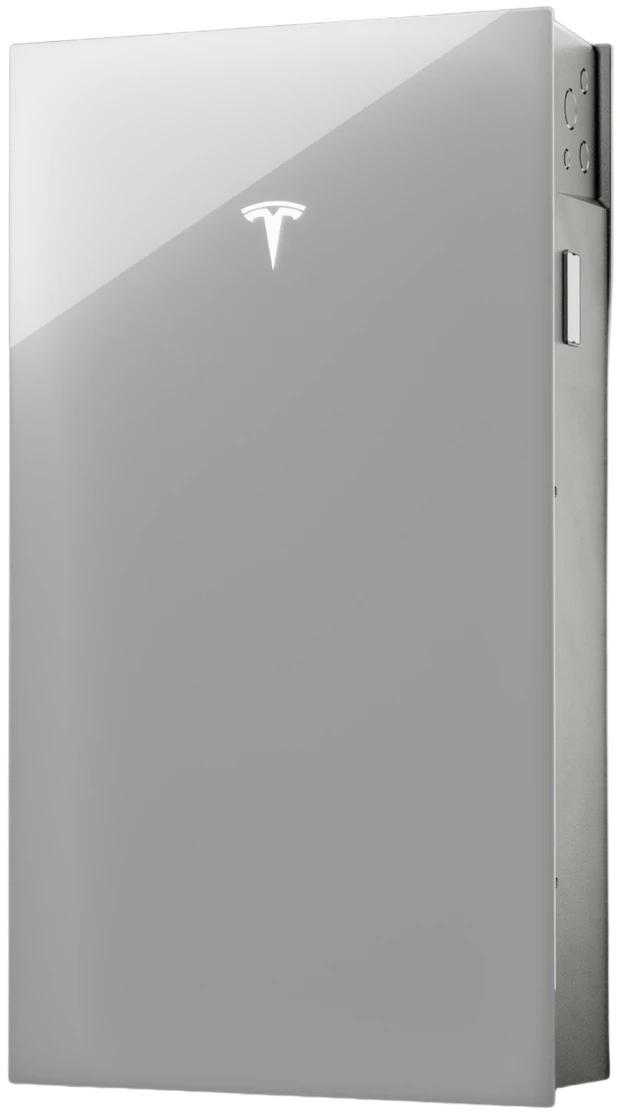
- Usable energy
- 13.5 kWh
- Solar inverter
- Integrated, 3 MPPTs
- Max solar input
- 20 kW STC
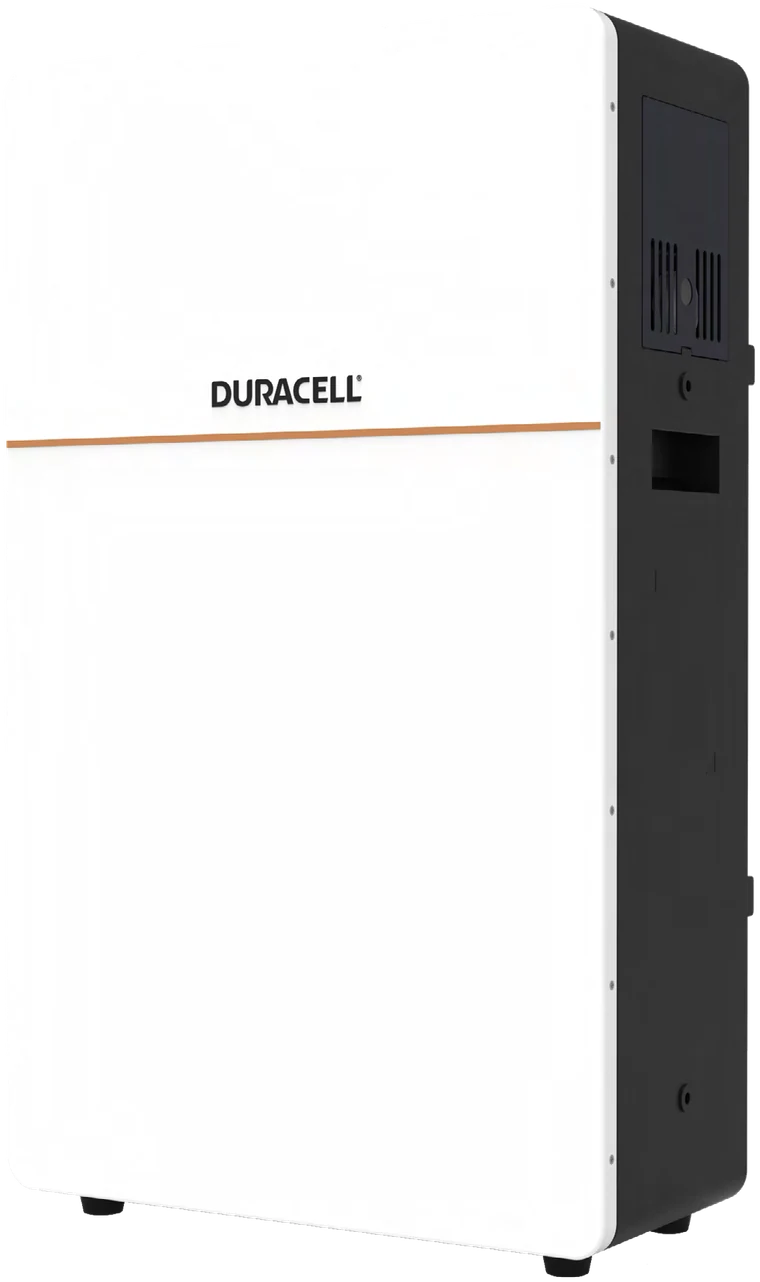
- Battery module energy
- 16 kWh
- Usable energy
- 14.4 kWh
- Cell technology
- LiFePO4 (lithium iron phosphate)
If you own a GivEnergy system and want a second pair of eyes on your cover, or you are replacing or adding to it and want the covenant question answered properly, a free remote design call goes through your paperwork and your options. It is a video call, no home visit, and installations are carried out by an MCS-certified installation team for your area.
Get your free quote →For the wider pattern, the general guide on manufacturer failure covers how the three layers of cover interact and what the other collapses have looked like, and the IBG guide explains the one document most worth finding this week.
GivEnergy administration questions, answered
Is my GivEnergy battery still safe to use?
Yes. The hardware is self contained and continues charging from solar and powering the home as normal; the administration affects warranty claims, cloud features and future firmware, not basic operation. Any actual fault, smell, noise or error state is a job for your installation team or another MCS certified firm, exactly as it was before April 2026.
Is my GivEnergy warranty still valid?
As a promise from the manufacturer, no. GivEnergy Ltd has ceased trading and is not honouring hardware warranties, so a claim would join the queue of unsecured creditors. What can survive is everything that never depended on GivEnergy: your installation team's workmanship guarantee, an insurance backed guarantee if one was issued, HIES or RECC consumer code protections, and Section 75 if any of the purchase went on a credit card.
Will the GivEnergy app and portal stop working?
They were still running when we checked on 27 August 2026. The monitoring platform is operated by a separate software entity that is not in administration, which is why the administration of GivEnergy Ltd did not take the app down. How long the current arrangement lasts, and whether firmware updates continue, was unconfirmed at that date, which is why exporting your data now costs nothing and protects you.
Should I buy a discounted GivEnergy battery?
We would not recommend it. The administrator's filings, as reported, show remaining stock written down to around £115,000, and units reaching the market from that stock or from distributor shelves carry no manufacturer warranty at all. A battery is a ten year purchase; a discount on the ticket price does not compensate for buying it with the longest layer of cover already gone.
See the numbers next: Duracell Dura16, installed, or what a battery costs.
Administration facts are from Energy Storage News, the UK Energy Storage Association and the administrator's filings as reported, all read 27 August 2026. The position is live: a sale of the business, the cloud platform's long term funding and the future of firmware updates were all unconfirmed at that date. Check the updated date at the top of this page before acting on anything here.
Sources
- Energy Storage News, 7 April 2026: GivEnergy Ltd ceases trading and files notice of intention to appoint administrators; no administrator confirmed at that stage https://www.ess-news.com/2026/04/09/uk-residential-battery-supplier-givenergy-enters-administration-proceedings/
- Energy Storage News, 13 April 2026, carrying the administrator's statement: GivEnergy Ltd entered administration on 9 April 2026 with Chris Brooksbank of CB Business Recovery appointed as administrator, unsecured creditors owed more than £17,000,000, all employees made redundant, hardware warranties no longer honoured by GivEnergy Ltd, app and portal run by GivEnergy Software Ltd which is not in administration, owners directed to their installer https://www.ess-news.com/2026/04/13/givenergy-enters-administration-uk-energy-storage-association-issues-guidance/
- UK Energy Storage Association, GivEnergy updates page: standing owner guidance https://esa-uk.org/givenergy-updates/
- Solar Tech Support, GivEnergy administration tracker: administrator's Statement of Proposals filed late May 2026, no buyer confirmed at that filing, remaining stock written down to about £115,000 https://solar-tech-support.co.uk/brands/givenergy/administration/
- IWantSolar, GivEnergy administration resolution tracker, last updated 3 May 2026: cloud portal and app operational, monitoring platform run by a separate software entity not in administration https://www.iwantsolar.co.uk/learn/givenergy-administration-resolution-tracker
- Spirit Energy, GivEnergy administration guidance for homeowners: the manufacturer warranty is effectively void, all employees made redundant, surviving routes include installer workmanship cover, insurance backed guarantees and Section 75 of the Consumer Credit Act 1974 https://blog.spiritenergy.co.uk/homeowner/givenergy-goes-into-administration-what-it-means-for-uk-homeowners
- UK Green Energy Installations, announcement of 11 September 2023: GivEnergy introduced a 12 year warranty across its battery and inverter range from that date, offered subject to installation and periodic health check conditions https://www.ukgei.co.uk/blog/givenergy-residential-batteries-come-with-12-year-warranty-as-standard
Read next
AC coupled or DC coupled? The 60 second answer
AC for retrofits, DC for new installs. The reasoning, the efficiency gap and when the rule flips.
Read the guide →Adding a battery to solar panels you already own
Retrofitting a battery to working solar is straightforward. The paperwork is where people trip up.
Read the guide →How do plug-in solar panels work, and what changed on 27 August 2026
A panel, an 800W-capped micro-inverter and a standard socket. Legal in Great Britain since 27 August 2026.
Read the guide →