
Home › Guides › Tesla Powerwall 3 vs Duracell Dura16: which fits your home?
BatteriesTesla Powerwall 3 vs Duracell Dura16: which fits your home?
These are the two batteries behind Clearline's published package prices, and they solve the same problem in opposite ways. The Powerwall 3 is an all-in-one tower that swallows the solar inverter's job whole. The Dura16 is a wall-mounted battery that pairs with a hybrid inverter and undercuts almost everything on price per stored unit. Neither is simply better. The right one follows from what your home needs backed up, how hard you plan to cycle it, and what you want to pay per usable kilowatt hour.
Updated 27 August 2026 · written by the Clearline guidance team
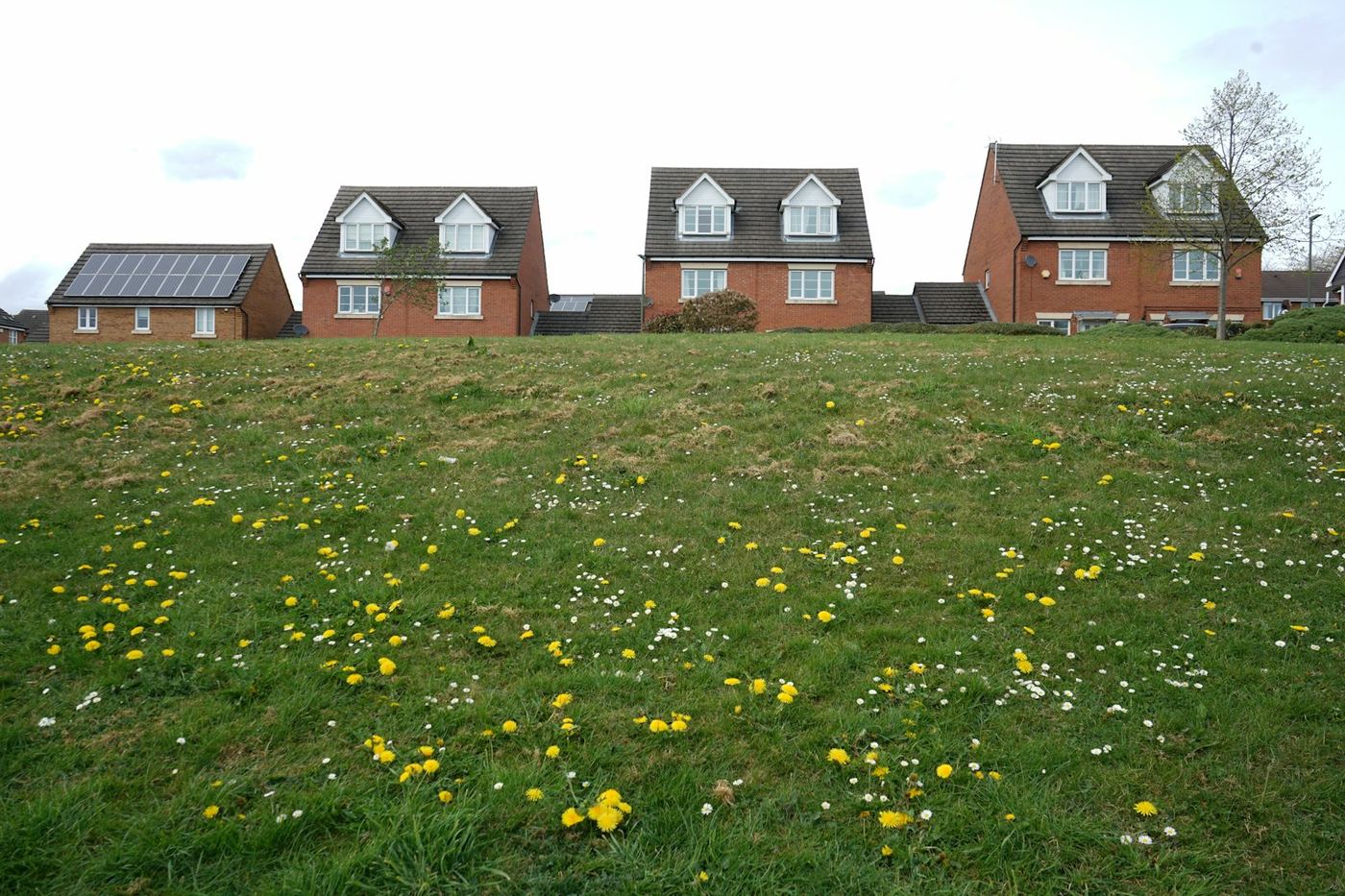
These are the two battery packages Clearline actually prices: the Tesla Powerwall 3 from £6,350 installed, and the Duracell Dura16 at £4,450 installed when it is fitted alongside solar panels. Both use lithium iron phosphate cells, both carry ten year warranties, and both are fitted by an MCS-certified installation team for your area. Past that point they are genuinely different machines, and choosing between them comes down to three things: what you need powered in a cut, how hard the battery will be cycled, and what each stored kilowatt hour costs you.
Two different machines
The Powerwall 3 is a floor-standing tower that contains the entire system. Inside the one enclosure sit 13.5 kWh of usable storage and a full hybrid solar inverter that accepts up to 20 kW of solar DC across three maximum power point trackers. It delivers up to 11.04 kW, enough to run a whole house including showers and ovens, and its battery and power electronics are sealed to IP67, so it lives happily outside against a wall. On a new solar and battery installation it simply becomes the inverter: the panels wire straight into it and there is no separate box to buy.

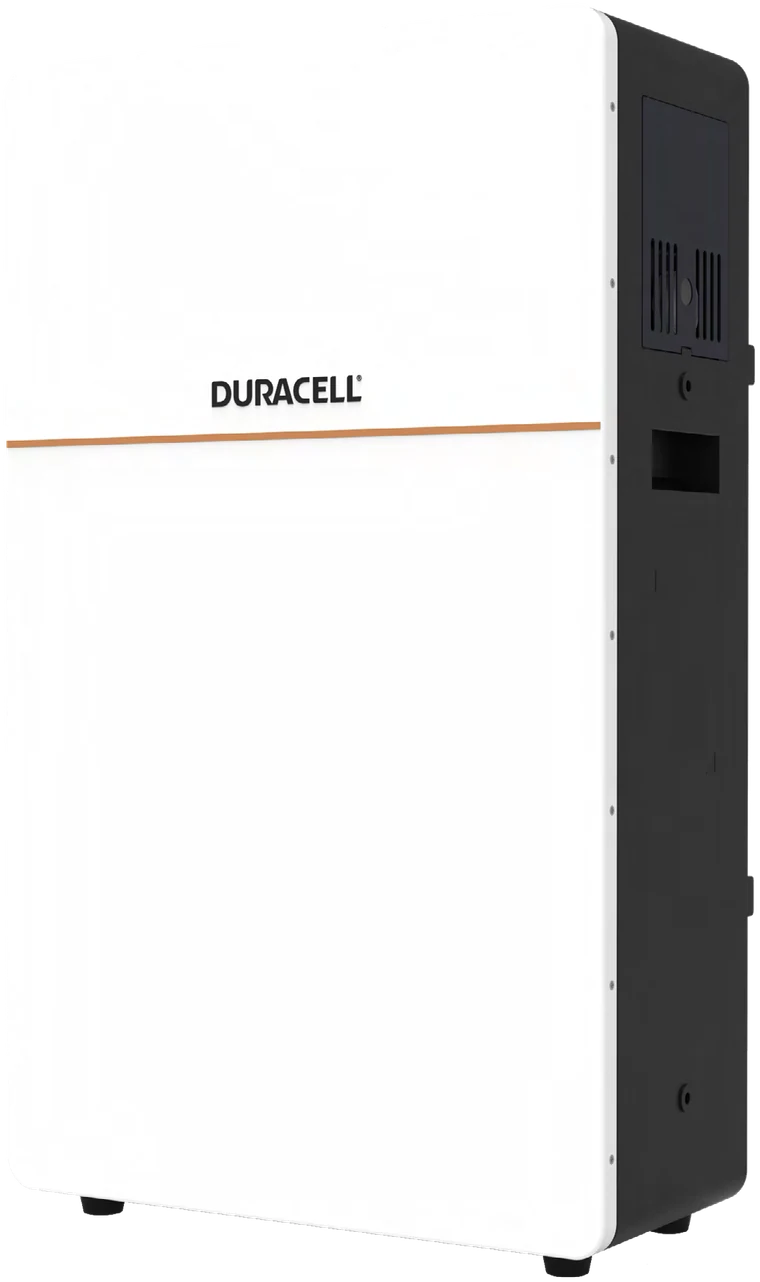
The Duracell Dura16 LV takes the opposite approach. It is a wall-mounted low voltage battery, 51.2 V and 314 Ah, holding 16 kWh of which 14.4 kWh is usable. It charges and discharges at up to 130 A, which is 6.6 kW at its nominal voltage, in a fanless IP65 case weighing 122 kg. It has no inverter of its own, so it pairs with a compatible hybrid inverter sized to your solar array. It is manufactured and warranty supported by Puredrive Energy Limited in Gloucestershire, building under licence to the Duracell name.
One box or two
A Powerwall 3 replaces the solar inverter entirely; a Dura16 works alongside one. The all-in-one route means fewer boxes and one warranty covering the lot. The two-box route means the battery and the inverter can be chosen, replaced or upgraded independently, and the battery itself costs considerably less per stored unit.

- Usable energy
- 13.5 kWh
- Solar inverter
- Integrated, 3 MPPTs
- Warranty
- 10 years, 80 per cent capacity retained at 10 years
- Usable energy
- 14.4 kWh
- Cell technology
- LiFePO4 (lithium iron phosphate)
- Cycles
- 8,000
Capacity and how each one scales
Out of the box the Dura16 actually holds more: 14.4 kWh usable against the Powerwall's 13.5 kWh. Either covers a typical home's evening and overnight comfortably, and our guide to what size home battery you need shows how to check that against your own consumption. The difference appears when you want more.
The Powerwall scales with Expansion units: 13.5 kWh slabs, DC coupled behind the main unit, up to three per Powerwall 3. Our package with one Expansion gives 27 kWh from £10,850 installed. The Dura16 scales by adding more of itself. Two units give 28.8 kWh at £8,900 installed alongside solar, and the datasheet supports up to twelve in parallel, although the hybrid inverter's charge rate, not the battery bank, becomes the practical limit long before that. For most homes the honest ceiling on either path is the second unit; beyond roughly 27 kWh you are storing more than a domestic array and tariff cycle can usefully fill each day.

Backup in a power cut
Grid-tied solar and battery equipment shuts down in a power cut by design, a safety behaviour called anti-islanding, so keeping the lights on always needs dedicated switching hardware. Here the two systems part company properly.
The Powerwall route is the Backup Gateway 2. It sits between the meter and the consumer unit, watches the grid, and on a failure disconnects the house and switches it onto the battery automatically. That is whole home backup: every circuit, at up to the full 11.04 kW, with the solar array still generating and recharging the battery while the grid is down. The Dura16 route is the emergency power supply function of its hybrid inverter, which typically feeds a single dedicated socket or a small sub-board of essential circuits such as the fridge, some lighting and the broadband router. Output in backup is capped by the inverter's EPS rating and by the battery's 6.6 kW, so it keeps essentials alive rather than running the house as normal.
If backup is your main reason for buying, the comparison is really Gateway versus EPS rather than Tesla versus Duracell. Our guide to whole home versus partial backup covers which tier of cover suits which household, including the medical equipment and home working cases.
Warranty and cycle life, with the arithmetic
Both warranties run ten years, and the small print measures different things. Tesla guarantees the Powerwall 3 will retain 80% of its original usable capacity at ten years in the UK, with unlimited cycles for self consumption, time of use charging and backup, and requires the unit to keep a reliable internet connection for firmware updates. Duracell's cover is capped at 8,000 cycles or 100 MWh of energy throughput, whichever arrives first, and no retained capacity figure is published.
Run the numbers on the Duracell caps before deciding they matter. One full cycle a day puts about 5.3 MWh a year through a Dura16, so ten years of daily cycling uses roughly 3,650 cycles and 53 MWh, comfortably inside both limits. The caps only start to bite under heavy tariff arbitrage: a household forcing two full cycles a day, charging cheap overnight at rates like 8p and again from midday solar, would cross 100 MWh just inside the ten year term. For normal solar-shifting use, both warranties run their full distance.
The counterparty question
A warranty is a promise from a company, so the company matters as much as the term. Tesla is Tesla. The Duracell name is licensed, with the warranty supported by Puredrive Energy Limited, a British manufacturer in Gloucestershire. Worth knowing rather than worrying about, and our guide to what happens when a battery manufacturer goes bust explains how to weigh it.
Price per usable kilowatt hour
| Tesla Powerwall 3 | Duracell Dura16 | |
|---|---|---|
| Usable capacity | 13.5 kWh (27 kWh with one Expansion) | 14.4 kWh (28.8 kWh with two units) |
| Maximum power | 11.04 kW | 6.6 kW (130 A at 51.2 V) |
| Architecture | All-in-one tower with integrated solar inverter, up to 20 kW DC | Low voltage wall-mounted battery plus separate hybrid inverter |
| Backup route | Backup Gateway 2, whole home | Inverter EPS, single socket or essential circuits |
| Warranty | 10 years, 80% capacity retained, unlimited cycles for self consumption | 10 years, 8,000 cycles or 100 MWh throughput |
| Package price | From £6,350 installed | £4,450 installed alongside solar |
| Price per usable kWh | About £470 single, about £402 at 27 kWh | About £309, single or double |
Duracell package prices apply when the battery is fitted alongside solar panels. Powerwall figures are starting prices; both are subject to survey. Specifications from the manufacturers' datasheets.
The arithmetic behind that last row is short. £6,350 across 13.5 usable kilowatt hours is about £470 each; the 27 kWh Powerwall package from £10,850 improves that to about £402. The Dura16 at £4,450 alongside solar across 14.4 kWh comes to about £309, and two units at £8,900 on the same basis across 28.8 kWh hold the same £309. On storage per pound the Duracell wins at every size, by roughly a third against a single Powerwall. What the Powerwall premium buys is the integrated 20 kW solar inverter, whole home backup capability, 67% more power output, and a published capacity retention guarantee.
The condition on the Duracell price
The £4,450 figure is not a general Dura16 price; it is the price when the battery is installed alongside solar panels. The saving is real and structural: the hybrid inverter that runs the battery is the same unit running the panels, and the electrician, the scaffold visit and the DNO paperwork are already on site for the solar job. Fitted on its own, a Dura16 still needs an inverter and a full installation visit of its own, so battery-only pricing is a different quote and we confirm it on a design call rather than publishing a number that needs a page of caveats. The 0% VAT rate on domestic battery storage applies either way until 31 March 2027.
Which one fits your home
Whole home backup, bigger loads, bigger arrays: Powerwall 3
If you want the entire house to ride through a power cut, need 11 kW of output for showers and ovens, or are installing a large array up to 20 kW, the Powerwall 3 from £6,350 is the tool for the job. One unit, one warranty, and the Gateway makes outages a non-event.
Best value storage with a new solar install: Dura16
If the battery's job is shifting solar generation and cheap overnight units rather than surviving outages, the Dura16 at £4,450 alongside solar delivers more capacity than a Powerwall for £1,900 less, at about £309 per usable kWh. Essential circuits backup via the inverter's EPS covers the fridge and the router, which is all most households ever use.
Big capacity on a value budget: two Dura16
28.8 kWh at £8,900 with solar costs less than the 27 kWh Powerwall package by £1,950, and suits high-consumption homes, heat pumps and EV charging from stored off-peak units. The trade you accept is 6.6 kW of power and partial rather than whole home backup.
Heavy arbitrage plans: check the fine print on both
If you intend to force two full cycles a day against a tariff spread such as 8p overnight versus a 26.11p standard rate, the Duracell's 100 MWh throughput cap arrives around nine and a half years in, and Tesla's unlimited cycles cover self consumption use rather than every conceivable operating mode. Say so on your design call and the recommendation is adjusted accordingly.
The honest answer is that the right battery falls out of your usage data, your tariff and your backup needs, not the brand. A free remote design call runs both packages against your actual consumption on a video call, with no home visit and no obligation.
Get your free quote →For the wider field beyond these two, our Powerwall 3 versus the alternatives guide sets the Tesla against the modular systems, and the full brand comparison covers the whole UK market datasheet by datasheet.
Powerwall 3 vs Dura16, answered
Is the Duracell Dura16 cheaper than the Tesla Powerwall 3?
On price per usable kilowatt hour, clearly. The Dura16 works out at about £309 per usable kWh at £4,450 installed alongside solar, against about £470 for a Powerwall 3 from £6,350. The comparison carries a condition, though: the Duracell price applies when the battery is fitted with a solar array, while the Powerwall figure is a battery package in its own right. A battery-only Duracell is a different quote, confirmed on a design call rather than published.
Can I buy the Dura16 without solar panels?
The hardware supports it, but the £4,450 package price does not. That figure applies specifically when the Dura16 is installed alongside solar panels, because the hybrid inverter and much of the labour are shared with the solar job. Fitted on its own, the battery still needs its own inverter and a full installation visit, so the price is different and is confirmed on your free remote design call.
Do both batteries keep the lights on in a power cut?
Both can, by different routes. The Powerwall 3 uses the Backup Gateway 2, which sits between your meter and consumer unit, detects the outage and switches the whole house onto the battery automatically. The Dura16 relies on the emergency power supply terminals of its hybrid inverter, which typically back up a single socket or a sub-board of essential circuits rather than the whole property. Whole home cover at up to 11.04 kW is the Powerwall's territory.
Which battery has the better warranty?
Both run ten years, and the fine print differs. Tesla guarantees 80% of original usable capacity at ten years in the UK, with unlimited cycles for self consumption, time of use and backup, and requires a reliable internet connection. Duracell's warranty is capped at 8,000 cycles or 100 MWh of throughput, whichever comes first, and does not publish a retained capacity figure. At one full cycle a day, both caps sit comfortably beyond the ten year term.
See the numbers next: Tesla Powerwall 3, installed, or what a battery costs.
Specifications are from the manufacturers' own datasheets: Tesla Powerwall 3, United Kingdom edition, and Duracell Energy Dura16 LV v1.2, both checked 27 August 2026. Package prices are Clearline's own and subject to survey; Duracell package prices apply when the battery is fitted alongside solar panels. Tesla, Powerwall and Duracell are trademarks of their respective owners; the Dura16 is manufactured and warranty supported by Puredrive Energy Limited under licence. Clearline is an independent guidance service and installations are carried out by an MCS-certified installation team for your area.
Sources
- Tesla Powerwall 3 datasheet, United Kingdom edition: 13.5 kWh usable, up to 11.04 kW output, 20 kW of solar DC across 3 MPPTs, lithium iron phosphate cells, Backup Gateway 2 as the supported islanding device, 10 year warranty https://www.tlgec.co.uk/wp-content/uploads/2025/02/Powerwall_3_Datasheet_UK_en-US.pdf
- Tesla Powerwall limited warranty, EMEA edition: 10 years, 80% of original usable capacity retained in the UK, unlimited cycles for self consumption, time of use and backup, internet connection required https://energylibrary.tesla.com/docs/Public/EnergyStorage/Powerwall/General/Warranty/en-emea/Powerwall-Warranty-EN.pdf
- Tesla Backup Gateway 2 installation manual, GB edition: gateway position between meter and consumer unit, outage detection, automatic switchover, energy metering https://energylibrary.tesla.com/docs/Public/EnergyStorage/Powerwall/3/InstallManual/BackupGateway/2/en-gb/index.html
- Powerwall 3 Expansion unit guidance: 13.5 kWh per Expansion, up to 3 per Powerwall 3, DC coupled behind the main unit https://myenergy.expert/battery-storage/tesla-powerwall-3-expansion
- Duracell Energy Dura16 LV datasheet v1.2, model PD-16KWH-50V-1G: 16 kWh module energy, 14.4 kWh usable, 51.2 V, 314 Ah, 130 A and 6.6 kW charge and discharge, LiFePO4, IP65, 122 kg, fanless, 8,000 cycles, 100 MWh throughput, 10 year warranty, up to 12 units in parallel, warranty supported by Puredrive Energy Limited under licence to the Duracell name https://duracellenergy.com
- EPS versus whole home backup, the three tiers: single EPS socket, essential circuits sub-board, gateway based whole home cover https://www.viablepower.co.uk/eps-vs-whole-home-backup-whats-the-difference-and-which-is-better-for-uk-homes/
- Clearline package prices: Powerwall 3 from £6,350 installed, Powerwall 3 plus Expansion from £10,850, Dura16 £4,450 and two Dura16 £8,900 installed alongside solar, as published on our product pages https://clearlinehomeenergy.co.uk/